
.png)
You Can’t Build a Safer Jobsite Without
STRONGER RELATIONSHIPS
In industries where the stakes are high and the pressure to perform is real, safety isn’t just about systems. It’s about trust. Shasta Nelson helps construction, engineering, and safety teams build the relationships that strengthen communication, improve accountability, and ultimately keep people safer on the job.
FRIENDSHIP EXPERT
TRUSTED BY LEADERS AND ORGANIZATIONS WORLDWIDE
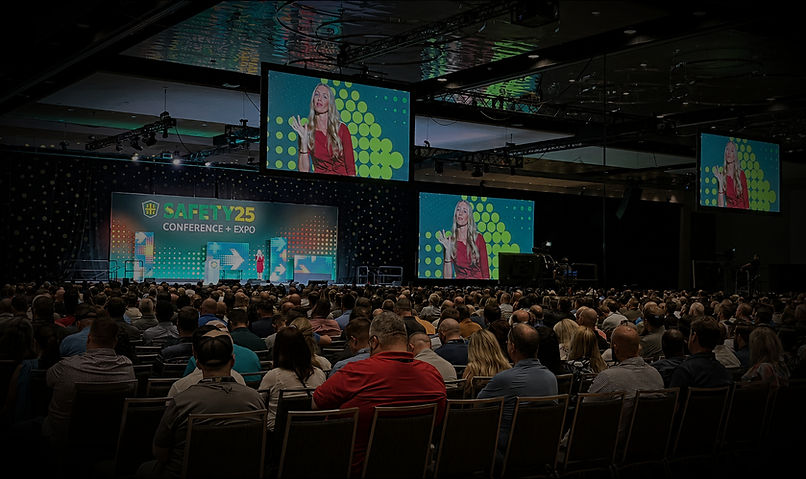


Shasta has delivered keynote presentations for organizations including The Institute for Automotive Business Excellence, Vector Construction, JBB Engineering, and PAE Engineers—working with leaders and crews across construction, engineering, and other traditionally male-dominated industries.
The Missing Piece in Safety Cultures
Construction, engineering, and skilled trades are filled with highly capable people. These industries value competence, resilience, and getting the job done right. Crews solve problems together, work side by side under pressure, and show up when it matters. Those are real strengths.
But something has often been missing. Not because people don’t care, and not because they aren’t capable. We simply haven’t done a great job of teaching or modeling the kinds of relationships that help people feel known, supported, and able to speak openly.
Many men learn how to work together and carry responsibility, but far fewer are given the language or examples to build friendships and support systems that help them process stress and pressure.
In high-stakes environments, that gap matters. How people relate shapes how they communicate, support each other, and operate under pressure.
That’s why relationships deserve more attention in these industries than they’ve traditionally received.
"Her session completely changed how I look at team dynamics."
"With over 15 years of experience and more than 500 keynotes under her belt, Shasta is undeniably the leading expert in building high-trust, resilient, and rewarding relationships. Her session completely changed how I look at team dynamics. If your organization is looking for a reliable, transformative speaker to improve employee retention, engagement, and collaboration, I cannot recommend Shasta Nelson highly enough."
RANDY MILLIRON
Safety Manager, City of Gillette

A Keynote that Strengthens
the Entire Culture
Shasta’s keynote for construction, engineering, and skilled trades is designed to do more than reinforce safety protocols. It shifts how teams experience safety.
Shasta’s keynote for construction, engineering, and skilled trades is designed to do more than reinforce safety protocols. It shifts how teams experience safety.
From the start, she helps crews and leaders see that safety is not just about systems, but about how people relate to each other. In high-risk environments, the moments that matter often come down to whether someone feels comfortable speaking up.
Through research and real-world insight, she puts language to something many already sense: while teams are strong at working together, they are not always given the tools to build the trust that supports clear communication under pressure.
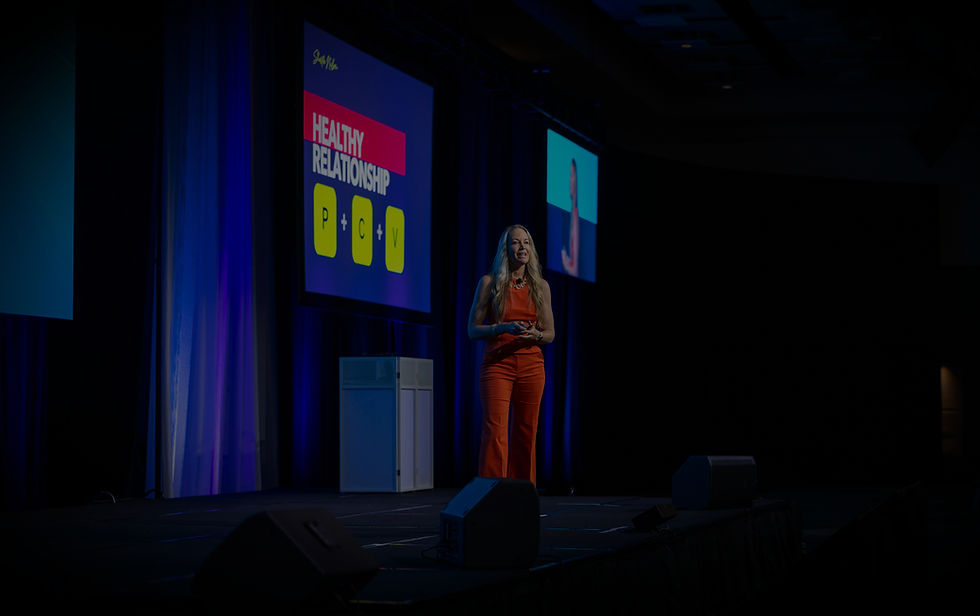
The keynote introduces a simple, practical framework built on positivity, consistency, and vulnerability, helping teams strengthen relationships in ways that lead to better communication and earlier intervention.
And once that shift happens, the culture changes.
Because when people trust each other, they speak up sooner, look out for one another, and help create safer, stronger teams.
What this Means for Your Organization or Conference
When connection becomes part of the safety culture, the impact shows up quickly.

Organizations begin to see:
faster, clearer communication on job sites
more people speaking up about risks and near-misses
greater accountability for each other’s safety
higher engagement and morale in the field
Because the strongest teams are not just following safety protocols well.
They are looking out for each other well.
Why Construction, Engineering,
and Safety Organizations
CHOOSE SHASTA
One of the most impactful moments in Shasta’s keynote is when she names something many people have experienced but rarely hear said out loud:
We’ve never really taught men how to build the friendships and support systems they need.
Not because men don’t want connection or aren’t capable, but because we’ve emphasized independence, toughness, and getting the job done over building relationships that provide support under pressure.
In construction, engineering, and the trades, where long hours, heavy responsibility, and real safety risks are part of the job,
THAT GAP MATTERS.

Shasta doesn’t ask people to change who they are.
She gives language to something they already understand: how people relate shapes how teams communicate, how quickly someone speaks up, and whether people feel supported enough to ask for help.
When crews focus on positivity, consistency, and vulnerability, trust builds faster, communication improves, and people look out for each other beyond the task.
The result isn’t a softer culture. It’s a stronger one where safety and performance improve together.
"Shasta did a superb job engaging the group... and delivering a lasting message that they still talk about."
A construction crowd, predominantly male, can be a tough group to talk to about relationships, yet it was important to me to bring Shasta in for a company-wide gathering because I want my employees to have healthy relationships at work and at home. Shasta did a superb job engaging the group, teaching the components of healthy relationships, and delivering a lasting message that they still talk about.

BOB SPRIGGS
CEO of Vector Construction


If you want to strengthen communication, trust, and safety across your teams—by improving how people relate to each other—let’s talk.